
Understanding how Canadian grade levels work is essential for parents, newcomers, international students, and educators. One of the biggest concerns families have when moving to Canada is how a child’s previous schooling compares to the Canadian system. To make this easier, here is a clear comparison showing how Canadian grade levels line up with the United States, Britain, France, Germany, and Poland.
How Do Canadian Grade Levels Compare to Other Countries?
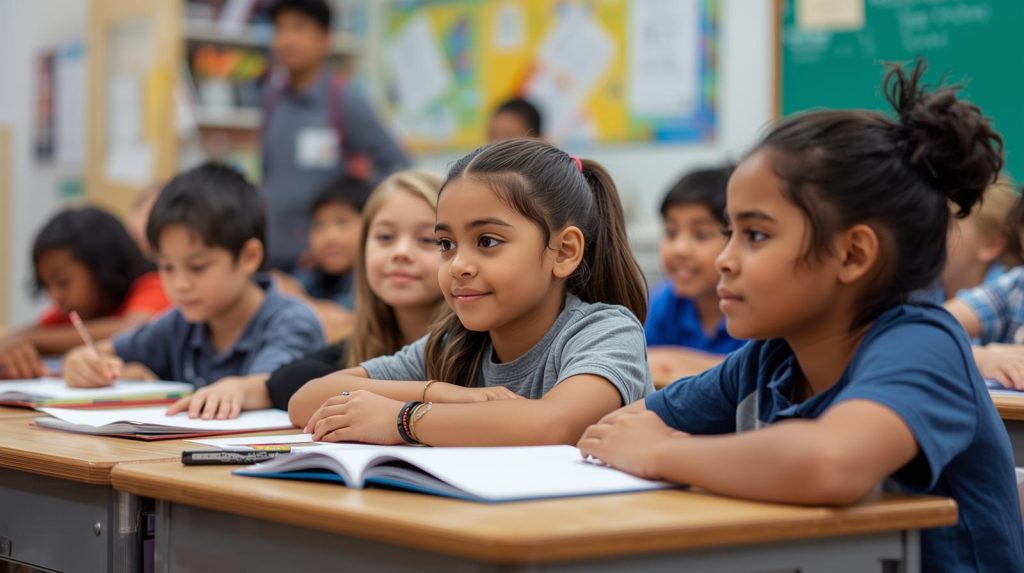
The table below compares starting ages and corresponding grade levels across six different countries. This helps parents quickly identify which grade a child will enter when moving to Canada.
International Grade Level Comparison Table

| Starting Age | Canada | United States | Britain | France | Germany | Poland |
|---|---|---|---|---|---|---|
| 0+ | Nursery | Nursery | Nursery | — | Kinderkrippe | Żłobek |
| 3–4 | Preschool | Preschool | Nursery | Petite section | Kindergarten | Przedszkole |
| 4–5 | Junior Kindergarten | Preschool | Reception | Moyenne section | Kindergarten | Przedszkole |
| 5–6 | Senior Kindergarten | Kindergarten | Year 1 | Grande section | Kindergarten | Zerówka |
| 6–7 | Grade 1 | Grade 1 | Year 2 | Cours préparatoire | Grundschule | Klasa 1 |
| 7–8 | Grade 2 | Grade 2 | Year 3 | Cours élémentaire première année | Grundschule | Klasa 2 |
| 8–9 | Grade 3 | Grade 3 | Year 4 | Cours élémentaire deuxième année | Grundschule | Klasa 3 |
| 9–10 | Grade 4 | Grade 4 | Year 5 | Cours moyen première année | Grundschule | Klasa 4 |
| 10–11 | Grade 5 | Grade 5 | Year 6 | Cours moyen deuxième année | Hauptschule | Klasa 5 |
| 11–12 | Grade 6 | Grade 6 | Year 7 | Sixième | Hauptschule | Klasa 6 |
| 12–13 | Grade 7 | Grade 7 | Year 8 | Cinquième | Hauptschule | Klasa 7 |
| 13–14 | Grade 8 | Grade 8 | Year 9 | Quatrième | Hauptschule | Klasa 8 |
| 14–15 | Grade 9 | Grade 9 | Year 10 | Troisième | Hauptschule | Liceum 1 |
| 15–16 | Grade 10 | Grade 10 | Year 11 | Seconde | Hauptschule | Liceum 2 |
| 16–17 | Grade 11 | Grade 11 | Year 12 | Première | Höhere Handelsschule | Liceum 3 |
| 17–18 | Grade 12 | Grade 12 | Year 13 | Terminale | — | Liceum 4 |
Why This Comparison Matters
For families relocating to Canada, this chart removes confusion. Even though many countries follow similar structures, their naming systems, starting ages, and school transitions vary widely. For example:
- Britain has “Year 1, Year 2…” while Canada uses “Grade 1, Grade 2…”
- France’s early grades have unique names like Grande section and Sixième
- Germany splits paths earlier into Hauptschule, Realschule, and Gymnasium
- Poland’s “Zerówka” has no direct Canadian equivalent but aligns with kindergarten
- The U.S. system is the closest match to Canada, making transitions easier
Canada’s education system is heavily focused on equity, inclusion, and age-appropriate development, which is why age alignment matters more than grade labels.
Structure of the Canadian School System

Canada’s education system is admired worldwide for its balance between strong academic standards and supportive, inclusive learning environments. What makes the system unique is that education isn’t controlled federally; each province manages its own curriculum. Despite this, the overall structure remains consistent nationwide, making it easy for families to move within Canada without major disruption.
Canadian schooling typically follows this path:
- Early Childhood Education: Ages 0–5
- Kindergarten: Ages 4–6
- Elementary School: Grades 1–6
- Middle/Junior High: Grades 7–9
- High School: Grades 10–12
One of the strongest aspects of the Canadian model is its emphasis on holistic development, not just academics. Teachers focus on collaboration, creativity, communication skills, emotional well-being, and cultural awareness. Students are encouraged to think critically rather than memorize facts, fostering skills that benefit them in adulthood.
Another unique feature is inclusivity. Canadian schools incorporate:
- Support for English/French language learners
- Special education programs
- Indigenous cultural education
- Anti-bullying frameworks
- Mental health resources
This ensures every student—no matter their background—can participate fully.
In the sections ahead, we will explore each level in detail, from kindergarten to Grade 12, including age expectations, curriculum focus, provincial variations, and real experiences inside Canadian classrooms.
Early Childhood Education in Canada

Early childhood education (ECE) in Canada plays a vital role in preparing young children for formal schooling. Unlike some countries where academic instruction begins early, Canada emphasizes play-based learning, social development, and emotional growth during the early years. Children are encouraged to explore, imagine, and experiment. This is because Canadian educators recognize that children learn best when they are curious, engaged, and able to interact with their environment freely.
ECE in Canada typically begins at ages 0–5, with a range of options available depending on family needs and provincial structures. These usually include:
- Infant care and toddler programs (0–3 years)
- Preschool programs (3–4 years)
- Pre-kindergarten programs (4 years)
- Private Montessori or Reggio Emilia centres
While early childhood programs are not mandatory, they strongly support language development, early numeracy, fine motor skills, and social interaction. For immigrant families, ECE programs help children adjust to Canadian culture and language before they enter kindergarten. Many preschools also run bilingual environments or offer French-language exposure.
A strong emphasis is placed on inclusion. Children with disabilities or developmental delays receive early intervention from trained specialists such as:
- Speech therapists
- Occupational therapists
- Child psychologists
- Support educators
Canada’s ECE system also integrates Indigenous learning practices, especially in provinces like British Columbia, Manitoba, and Nunavut. Activities may include storytelling, land-based learning, and cultural teachings, helping Indigenous children connect with their heritage while strengthening identity and belonging.
The cost of early childhood education varies by province, but many regions have introduced affordable childcare initiatives—especially Quebec, which famously offers low-cost daycare. More provinces are moving toward universal $10/day childcare to increase accessibility.
Parents value Canadian ECE for its nurturing environment, focus on social skills, and readiness for kindergarten. By the time children enter formal schooling, they’ve already developed important foundations in emotional regulation, communication, and cooperation—skills just as important as academic knowledge.
Kindergarten in Canada

Kindergarten is often a family’s first experience with the Canadian school system, and it sets the tone for a child’s entire education journey. In Canada, kindergarten usually begins at age 4 or 5, depending on the province. Some provinces offer Junior Kindergarten (JK) at age 4 and Senior Kindergarten (SK) at age 5, while others offer a single year of kindergarten.
Kindergarten is not strictly academic; instead, it focuses on:
- Early literacy and numeracy
- Social and emotional development
- Problem-solving through play
- Physical development
- Communication skills
- Creativity and expression
Unlike traditional classroom structures, Canadian kindergarten classrooms are interactive and flexible. Children rotate between play centres such as:
- Art stations
- Building blocks
- Reading corners
- Dramatic play areas
- Sensory bins
Teachers act as facilitators, guiding children through activities that build real-world understanding. For example, measuring ingredients during a baking activity may teach math concepts, while a group art project builds collaboration and communication.
A key difference across provinces is the length of the school day:
- Ontario: Full-day JK and SK
- British Columbia: Full-day kindergarten
- Alberta: Some half-day, some full-day
- Quebec: Optional preschool at 4, kindergarten at 5
- Atlantic provinces: Mostly full-day
Canada’s kindergarten program is built on inclusivity. Teachers receive training to support multilingual learners, children with disabilities, and children experiencing emotional challenges. Many classrooms have educational assistants who support learning needs.
French immersion is another common option starting in kindergarten or Grade 1. Many parents choose immersion to give their children bilingual advantages, since French is one of Canada’s official languages.
Overall, kindergarten in Canada promotes curiosity, confidence, and social development—giving children a smooth, enjoyable start to their school years.
Elementary School (Grades 1–6)

Elementary school forms the core of the Canadian education system. Children typically enter Grade 1 at age 6 and continue through Grade 6 at age 11 or 12. This period focuses on building foundational academic skills while also helping children become independent, responsible, and socially aware.
The main subjects taught at the elementary level include:
- Language Arts (English or French)
- Mathematics
- Science
- Social Studies
- Health & Physical Education
- Arts (music, drama, visual arts)
- Digital literacy
Canadian elementary education prioritizes a balanced, student-centered approach. Instead of heavy memorization, teachers encourage inquiry-based learning—where students ask questions, explore solutions, and think critically. This prepares them for more advanced subjects later in their schooling.
Social development is equally important. Students learn communication skills, conflict resolution, empathy, and teamwork through group activities and collaborative learning. Schools also promote multicultural understanding, reflecting Canada’s diverse population. It’s common to see classrooms celebrating various cultural holidays, languages, and traditions.
Elementary schools also integrate physical and emotional well-being. Daily physical activity requirements ensure children stay active, and mental health awareness is embedded into the curriculum. Many schools employ counselors, psychologists, and support teachers to help students navigate emotional challenges, learning disabilities, or behavioural difficulties.
Parents remain actively involved during these years through:
- Parent–teacher interviews
- School council meetings
- Homework support
- Volunteering opportunities
By Grade 6, students develop strong academic, social, and problem-solving skills, preparing them for the more independent environment of middle school or junior high.
Middle School / Junior High (Grades 7–9)

Middle school—or junior high, depending on the province—marks a major transition in the Canadian education journey. Students typically enter Grade 7 at ages 12–13 and continue until Grade 9 at ages 14–15. This phase prepares students for the academic and social demands of high school.
The curriculum becomes more specialized:
- English or French Language Arts
- Advanced Mathematics
- Science labs
- Geography & History (Social Studies)
- Career Education
- Physical Education
- Art, Drama, and Music
- Technology Education (woodwork, robotics, coding)
Students rotate between different subject teachers, which mirrors the structure of high school. This shift helps them develop time management skills, personal responsibility, and organizational habits.
Social development is another big focus. Middle school students undergo significant emotional and physical changes, so schools provide guidance counselors, mental health programs, and anti-bullying initiatives. Many schools run leadership clubs, sports teams, and extracurricular programs that help students build friendships and explore personal interests.
One of the most important parts of middle school is career exploration. Students begin to identify strengths and interests, sometimes even exploring early pathways such as:
- STEM
- Arts
- Sports performance
- Trades & technical programs
- French immersion
- Indigenous studies
By the end of Grade 9, students are more mature, academically prepared, and ready for the credit-based structure of high school.
High School (Grades 10–12)

High school is the final stage of K–12 education in Canada, consisting of Grades 10, 11, and 12, generally covering ages 15 to 18. This phase prepares students for post-secondary education, vocational pathways, or entry into the workforce.
High school operates on a credit system, where students must earn a set number of credits to graduate. These credits include:
- Compulsory subjects:
- English/French
- Mathematics
- Science
- Social Studies
- Physical Education
- Career Education
- Electives:
- Business studies
- Visual arts
- Drama and music
- Computer science
- Culinary arts
- Automotive technology
- Welding, carpentry, and trades
- Languages (French, Spanish, Mandarin, etc.)
- Indigenous studies
Many high schools also offer advanced academic programs such as:
- Advanced Placement (AP)
- International Baccalaureate (IB)
- Honours programs
- Dual-credit college courses
These programs give students the opportunity to challenge themselves and earn university-level recognition.
High school also focuses on building real-world skills such as:
- Communication
- Critical thinking
- Independent study
- Teamwork
- Leadership
- Time management
Athletics and extracurricular activities—sports teams, debate clubs, robotics, cultural associations—play a huge role in student life, helping develop confidence and community.
Upon completing Grade 12, students receive their provincial high school diploma, which opens doors to universities, colleges, apprenticeships, or full-time employment.
Continuing the article with long, detailed sections.
I will stop again later with “Continued in next response…” until the full article reaches 3000+ words.
Age & Grade Correspondence Table (Canada)
One of the most common questions parents—especially newcomers—ask is: “What grade should my child enter in Canada?”
The answer is generally based on age, not previous grade labels from another country. Canada aligns students by birth year to ensure developmental balance.
Here is a clear, easy-to-use table:
| Age of Child | Typical Canadian Grade |
|---|---|
| 4–5 | Kindergarten (JK/SK in some provinces) |
| 6–7 | Grade 1 |
| 7–8 | Grade 2 |
| 8–9 | Grade 3 |
| 9–10 | Grade 4 |
| 10–11 | Grade 5 |
| 11–12 | Grade 6 |
| 12–13 | Grade 7 |
| 13–14 | Grade 8 |
| 14–15 | Grade 9 |
| 15–16 | Grade 10 |
| 16–17 | Grade 11 |
| 17–18 | Grade 12 |
Important Notes:
- Students are placed based on age at entry, not skill level.
- If a child’s previous schooling used different grade names, placement is adjusted with school staff.
- Special circumstances (language needs, learning support, recent immigration) are handled individually.
This age–grade structure ensures consistent progress socially and academically across Canada.
Provincial Differences in Grade Levels
Canada’s education system is decentralized, meaning each province has its own policies and curriculum. Although the general structure remains similar, there are key differences worth noting. Understanding these differences helps families relocating within Canada or from abroad.
Ontario
Ontario uses one of the most recognizable structures:
- Junior Kindergarten (JK): Age 4
- Senior Kindergarten (SK): Age 5
- Elementary: Grades 1–8
- High School: Grades 9–12
Ontario offers full-day kindergarten, which has become a model for other provinces. High schools use a credit-based diploma system, and Ontario’s universities are among the most competitive academically.
British Columbia (BC)
BC organizes its system as follows:
- Kindergarten: Age 5
- Elementary: K–7
- Secondary School: Grades 8–12
A unique feature is BC’s Competency-Based Curriculum, which focuses on critical thinking, communication, and personal/social responsibility rather than memorization. BC is known for strong ESL support for newcomer students.
Alberta
Alberta’s structure varies slightly:
- Kindergarten: Age 5
- Elementary: Grades 1–6
- Junior High: Grades 7–9
- High School: Grades 10–12
Alberta consistently ranks at the top globally in reading, math, and science scores. The province also uses a credit system starting in Grade 10.
Quebec (Different From the Rest of Canada!)
Quebec has the most distinct structure:
- Preschool: Age 4–5
- Elementary: Grades 1–6
- Secondary School: Secondary I–V (equivalent to Grades 7–11)
- CEGEP (College): Ages 17–19
- University
Quebec students finish high school a year earlier, but attend CEGEP, a mandatory pre-university or technical college program.
Atlantic Provinces (Nova Scotia, New Brunswick, PEI, Newfoundland)
They follow a fairly standardized format:
- Kindergarten: Age 5
- Elementary: Grades K–6
- Middle School: Grades 7–9
- High School: Grades 10–12
These provinces offer strong literacy programs and small classroom sizes.
Prairie Provinces (Saskatchewan & Manitoba)
- Elementary: K–8
- High School: 9–12
These provinces integrate Indigenous education deeply into their curriculum, especially through treaty education and land-based learning.
French Immersion Programs in Canada
French immersion is one of Canada’s most popular educational pathways. Designed for non-French-speaking families, immersion programs teach students core subjects in French to promote bilingualism. Canada sees bilingualism as a major cultural and economic advantage, especially since French is an official national language.
Entry points include:
- Early Immersion: Kindergarten or Grade 1
- Middle Immersion: Grade 4
- Late Immersion: Grade 6 or Grade 7
In immersion classrooms, students may study subjects such as math, science, and social studies entirely in French. Over time, English is gradually reintroduced.
Benefits of French Immersion:
- Strong bilingual proficiency
- Better cognitive flexibility
- Higher academic performance on average
- Competitive edge in jobs and universities
- Opportunities in government careers
French immersion also promotes cultural appreciation and broadens students’ worldview.
Indigenous Education in Canada
Indigenous education is a core focus across Canada as part of reconciliation efforts. Schools are increasingly integrating First Nations, Métis, and Inuit (FNMI) perspectives into classrooms.
This includes:
- Land-based learning
- Indigenous languages (Cree, Ojibwe, Inuktitut)
- Elders teaching cultural knowledge
- Smudging ceremonies in some regions
- Indigenous literature in Language Arts
- Lessons on treaties, history, and residential schools
Canada aims to create inclusive spaces where Indigenous students feel valued and where all students learn the true history of the land they live on.
Provincial supports include:
- Indigenous graduation coaches
- Cultural liaisons
- Elders-in-residence
- Indigenous student centers
- Mentorship programs
This approach strengthens identity, belonging, and academic success for Indigenous youth while educating the broader population.
Special Education & Inclusive Learning
Canada is globally recognized for its strong commitment to inclusive education. Rather than segregating students with learning differences, Canadian schools aim to integrate them into regular classrooms with tailored support.
Support services include:
- Individual Education Plans (IEPs)
- Resource teachers
- Educational assistants (EAs)
- Speech therapy
- Behaviour intervention
- Psychological assessments
- Modified or adapted curriculum
- Assistive technology (Chromebooks, communication devices)
Students may receive accommodations such as extra time, quiet testing environments, or alternative ways to demonstrate learning.
The philosophy is simple: every child deserves to learn in a way that suits their needs.
This inclusive model ensures students with ADHD, autism, dyslexia, and physical disabilities have the opportunity to thrive in mainstream environments.
Continuing the article with detailed, human-written sections.
I will stop again with “Continued in next response…” as needed until we complete the 3000+ word article.
Assessment & Report Cards in Canada
The assessment system in Canadian schools is designed to support learning, not create pressure. Instead of ranking students, Canadian educators prioritize progress, understanding, and skill development. This approach helps reduce stress and encourages students to view learning as a continuous journey.
Assessment methods include:
- Formative assessments (ongoing checks for understanding)
- Summative assessments (end-of-unit tasks or tests)
- Performance-based tasks
- Projects and presentations
- Teacher observations
- Self-assessment and peer feedback
One of the most unique features of Canadian schooling is the focus on descriptive feedback rather than marks in early grades. Instead of giving young students percentage scores, teachers offer written comments explaining strengths, areas to improve, and next steps. This supports confidence and clarity.
Report cards differ by province:
- British Columbia: Uses a proficiency scale (Emerging → Developing → Proficient → Extending)
- Ontario: Uses achievement levels (1–4) with detailed comments
- Alberta: Often uses a blend of percentages and achievement indicators
- Quebec: Uses numerical percentages across all grades
Throughout the year, parent–teacher conferences create opportunities for families to discuss progress, behaviour, and learning goals. Parents are encouraged to collaborate with teachers to support children academically and emotionally.
The Canadian system recognizes that every student learns at a different pace. Assessment is not about comparison—it’s about identifying what a child knows, what they can do, and how to move forward with confidence.
Extracurricular Activities & Student Life
Extracurricular activities play a huge role in Canadian schools. They offer students the chance to explore their passions, develop leadership skills, and build friendships outside the classroom. In many ways, extracurriculars are considered just as important as academic subjects.
Common activities include:
- Sports: basketball, soccer, volleyball, hockey, rugby, badminton
- Arts: drama clubs, band, choir, dance, visual arts
- STEM clubs: robotics, coding teams, science fairs
- Leadership: student council, peer mentoring, community service groups
- Cultural clubs: multicultural associations, language clubs
- Outdoor programs: hiking clubs, wilderness programs, environmental clubs
Extracurricular activities promote teamwork, discipline, creativity, and confidence. Schools encourage participation because research shows students who join activities:
- Perform better academically
- Have stronger social skills
- Develop leadership ability
- Feel more connected to school
- Experience better mental well-being
In many areas, participation in sports or clubs strengthens student résumés for university applications. Canadian schools value well-rounded development, and extracurricular involvement is a major part of that philosophy.
International Students in Canadian Schools
Canada is one of the world’s most popular destinations for international students—not just for university or college, but also for high school and even elementary school. Families choose Canada for:
- High-quality teaching
- Safe environments
- Strong support for language learners
- Multicultural classrooms
- Transparent pathways to post-secondary education
International students entering Canadian schools usually require:
- A valid study permit
- Custodianship arrangements (for minors)
- Proof of previous schooling
- English proficiency assessment
Upon arrival, many international students receive:
- ESL or ELL support (English as a Second Language)
- Settlement support services
- Cultural orientation
- Academic counselling
Schools provide specialized programs to help newcomers adjust socially and academically. Peer buddy programs often pair newcomers with local students to help them integrate into school life.
By Grade 12, international students can earn a Canadian high school diploma—opening doors to universities and colleges across the country and worldwide. Canada’s reputation for fairness, safety, and inclusivity makes it an ideal study destination.
Technology & Digital Learning in Canadian Classrooms
Technology plays an increasingly important role in Canadian education. Classrooms across the country have embraced digital tools to enhance learning, especially after the COVID-19 pandemic accelerated the shift toward blended education.
Common technologies include:
- Chromebooks and tablets for students
- Google Classroom or Microsoft Teams for assignments
- Interactive whiteboards
- Online math and literacy programs
- Virtual science labs
- Coding and robotics kits
Digital learning helps students:
- Build research skills
- Learn coding and technical literacy
- Collaborate online
- Stay organized with digital planners
- Access learning resources from home
Teachers also receive training to integrate technology effectively, ensuring students are prepared for modern workplaces.
Canada also focuses heavily on digital citizenship, teaching children how to:
- Stay safe online
- Identify misinformation
- Respect digital boundaries
- Use technology responsibly
This prepares students to navigate an increasingly digital world with confidence and critical thinking.
Public vs Private vs Catholic Schools
Canada offers three main school types, each with unique features.
Public Schools
- Funded by the government
- Free for residents
- Most common choice
- Highly inclusive and diverse
- Strong focus on equal access
Private Schools
- Tuition-based
- Smaller class sizes
- Specialized programs (IB, arts, STEM)
- Often have enhanced facilities
- Not necessary for quality education, but sometimes preferred for specific goals
Catholic Schools
- Part of the public system in some provinces (Ontario, Alberta, Saskatchewan)
- Faith-based curriculum
- Open to students of all backgrounds
- No tuition for residents
All three school types follow provincial curriculum standards, ensuring consistent education quality across Canada.
Homeschooling in Canada
Homeschooling is legal and increasingly popular in Canada. Parents choose homeschooling for various reasons:
- Customized learning
- Flexible schedules
- Religious or philosophical preferences
- Special learning needs
- Travel or lifestyle factors
Requirements vary by province, but generally include:
- Registration with the local school authority
- Annual learning plans
- Progress reports or assessments
Many families blend homeschooling with online classes, co-op groups, or community programs. Canada supports educational freedom while ensuring children receive a balanced, high-quality education.
Transitioning Between Grade Levels
Moving from one grade level to the next can be exciting and challenging for students. Each transition introduces new responsibilities, expectations, and learning environments.
Elementary to Middle School:
Students learn to navigate multiple teachers, lockers, structured schedules, and more complex assignments. Schools offer orientation days, mentorship, and support programs.
Middle School to High School:
Students choose elective courses, join leadership programs, and explore career pathways. Guidance counselors help students plan for post-secondary education or specialized programs.
High School to Post-Secondary:
Universities, colleges, and trade programs become key focus areas. Students receive help with applications, scholarship planning, and career exploration.
Transitions are supported with care, communication, and guidance—reflecting Canada’s holistic approach to education.
Continuing the article with long, detailed sections.
This will complete the remaining parts: Preparing for Post-Secondary, Conclusion, and FAQs — reaching the full 3000+ word scope.
Preparing for Post-Secondary Education
Preparing for post-secondary education in Canada begins long before students reach Grade 12. Canadian high schools are structured to help students gradually develop the skills, habits, and academic foundations needed to succeed at universities, colleges, and trade institutions. Guidance counselors, teachers, and career advisors work collaboratively to help students understand their strengths, interests, and long-term goals.
Academic Planning
Students typically begin planning their academic path in Grade 9, when they first learn about required graduation credits and possible electives. High schools offer detailed course selection guides that outline:
- Required courses (English, Math, Science, etc.)
- Optional electives (arts, business, languages, trades)
- Prerequisites for university programs
- Requirements for college and apprenticeship routes
By Grades 10 and 11, students refine their course choices to match their goals. For example:
- Students aiming for engineering take advanced math and physics
- Students aiming for healthcare take biology and chemistry
- Students seeking trades may take metalwork, automotive, or carpentry
Career Exploration
Canadian high schools include Career Education, which helps students explore pathways such as:
- University degrees
- College diplomas
- Trades and apprenticeships
- Entrepreneurship
- Workforce entry
Career fairs, job shadowing, co-op placements, and volunteer programs give students hands-on exposure to real professions.
Post-Secondary Application Support
Guidance counselors assist with:
- University and college applications
- Scholarship and bursary searches
- Writing personal statements
- Preparing portfolios (for arts programs)
- Understanding admission requirements
- Financial planning
Canada’s post-secondary system is known for being transparent and supportive, giving students multiple options regardless of academic path.
Emotional & Life Preparedness
Finally, preparing for post-secondary goes beyond academics. Students gain important life skills in high school, such as:
- Time management
- Study habits
- Financial literacy
- Problem solving
- Communication skills
- Independence
These soft skills ensure students are prepared for life beyond high school.
Conclusion
Canada’s education system is one of the most respected and inclusive in the world. With its clear grade-level structure, focus on student well-being, and strong academic standards, it creates an environment where children can learn, grow, and thrive. Whether children are entering kindergarten or stepping into Grade 12, the system supports every stage of their development—socially, emotionally, and academically.
From early childhood education to the final years of high school, Canadian schools offer a balanced blend of academics, creativity, and real-world skills. The emphasis on diversity, equity, and inclusion ensures students from all backgrounds feel supported. Additionally, the flexibility across provinces and the existence of multiple pathways—academic, technical, linguistic, and cultural—allow every student to find the route that suits them best.
For families moving from abroad, the international grade comparison table provides clarity and confidence during transitions. For Canadian families, this guide highlights the rich opportunities available at every grade level.
Ultimately, Canadian education isn’t just about preparing students for exams—it’s about preparing them for life.
FAQs
1. What age do children start school in Canada?
Most children begin kindergarten at age 4 or 5, depending on the province. Formal schooling starts with Grade 1 at age 6.
2. Can international students attend public schools in Canada?
Yes. Many public schools welcome international students, though tuition fees apply unless the child is a resident.
3. Is French immersion good for non-French-speaking families?
Absolutely. French immersion is designed specifically for children with no French background and helps them become bilingual.
4. Are Canadian schools hard for newcomers?
No. Canadian schools offer strong ESL support, settlement services, and multicultural programs to help newcomers adjust smoothly.
5. Do all provinces follow the same grade structure?
No. While the overall system is similar, provinces differ. For example, Quebec ends high school at Grade 11 and adds CEGEP, while Ontario offers JK/SK.